 TychePrecision climate risk transfer for insurers and investors by dClimate
Pass the storm on.
Bring the slice of risk you'd rather not hold, or the capital to carry it. Tyche turns that slice into a bond priced by Aegis, with payout rules fixed before the season and terms anyone can check on-chain.
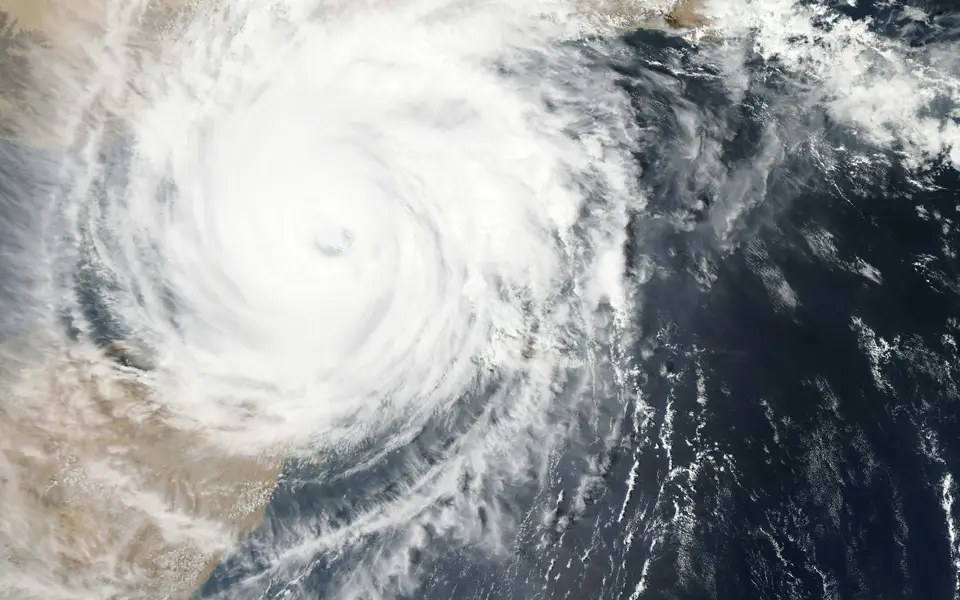
Hurricane bond · first storm of the seasonTYCHE-BOND-1ST-EVENTHigh Risk
Maturity: reached$11M of $11M funded
- Covers
- $10M of losses after the first $10M
- Pays up to
- $1.76 per $1 invested
- Expected loss
- 25.43% of the bond, on average
Covers
Hurricanes Wind Temperature Rain Hail
Priced by Aegis
One real bond, start to finish.
Tyche's first catastrophe bond, followed from the homes it protects to the day it matured. Every number below comes from the bond's public page in the app.
-
Start with the homes that face the storm.
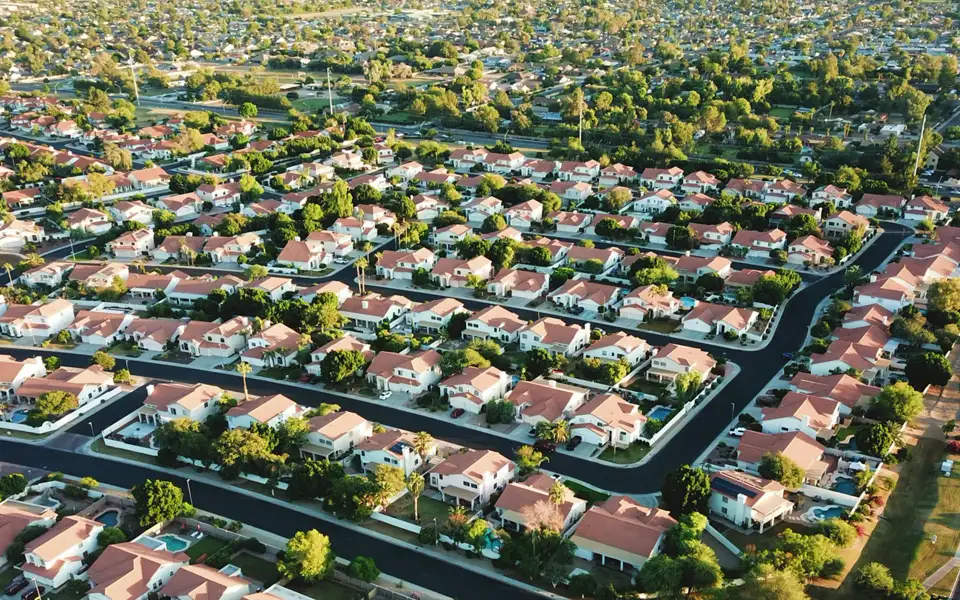
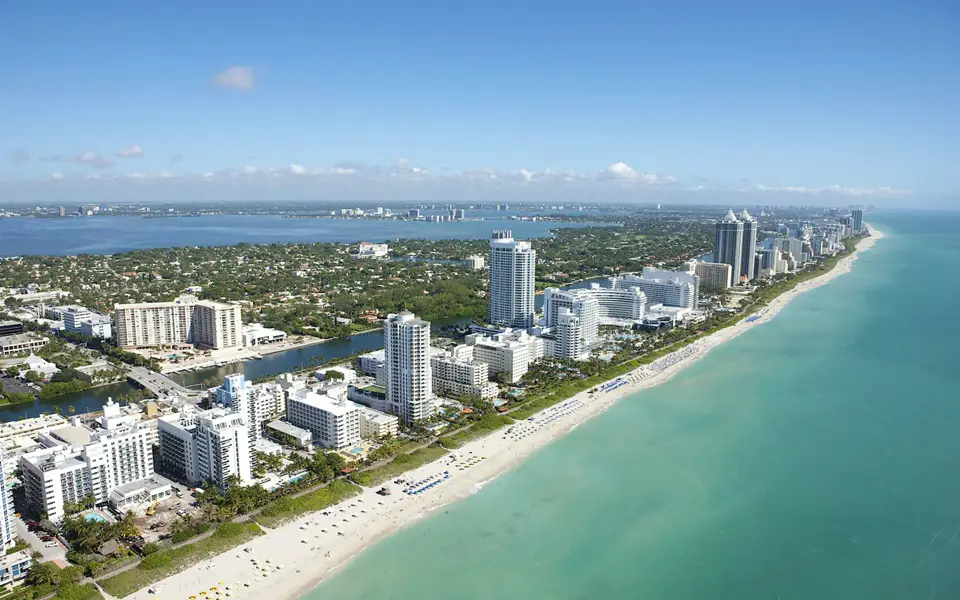
An insurer's book of 59,914 insured properties, in Hawaii and along the US Gulf and Atlantic coasts. A bad hurricane season could cost it more than it wants to hold.
Insured properties, grouped into cells about 25 km across59,914
-
Cut out the slice to pass on.
Not the whole book of policies: one slice of the possible losses, which insurers call a layer. The app writes the terms in market shorthand. Read one piece at a time, they say exactly when the bond pays.
-
Price it on the recent past and the long record.
Over the last five years, this layer would have paid out in four of them. Over the full record, in fewer than two years in five. Aegis runs a simulation on top, and Tyche shows all of it before anyone commits. That's what climate-adjusted means here.
Expected Loss Analysis · dClimate AegisFrom the app
-
Open it to investors.
Investors put in $11,363,624, paid in a US-dollar stablecoin (USDC), and the bond was fully funded. Each unit cost $1 and pays back up to $1.76 at maturity, less anything paid out. The units are tokens recorded on-chain, so anyone can check who holds what.
-
Settle by rules agreed up front.
If a storm crosses the payout trigger, money goes to the insurer, scaled to how severe it was. If not, investors get their money back with interest. Nobody argues about it afterwards. This bond has since matured.
From the bond's public page at tyche.dclimate.net. Property counts are grouped from the app's map and rounded; no addresses are shown. The plain-English readings of the terms are ours. Shown to explain how Tyche works, not as an offer or investment advice.
Two sides of every storm.
Tyche connects the people who carry weather risk with the people who want to fund it. Most bring one or the other.
Brings risk
-
Primary insurers
Pass on the slice of a book you'd rather not carry through hurricane season.
For example“The layer above our retention, for the first storm to reach our coastal homes.”
-
Reinsurers
Ease the build-up of risk in one place and bring outside capital into the slices you cover.
For example“Move part of a peak-zone hurricane layer to investors, with the terms on-chain.”
-
Energy and commodity desks
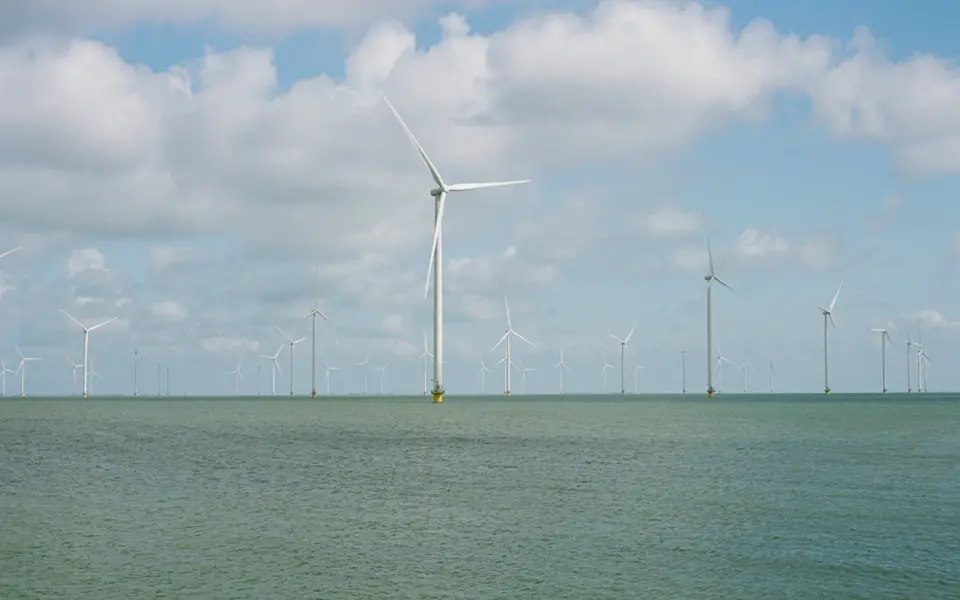
Hedge the weather that moves your volumes and prices.
For example“Pays out if average wind at our offshore site drops below 6 m/s in January.”
Brings capital
Insurance-risk funds (ILS) and asset managers
Fund weather risk for a return that doesn't follow the stock market.
For example“Small units, expected loss shown up front, holdings I can check on-chain.”
See bonds in TycheA first season, on the record.
Tyche launched for insurance and reinsurance. Here's how its first season went.
“Reinsurance is traditionally opaque, illiquid, and difficult to access.”
$20M figure from dClimate's launch announcement.
Questions about Tyche.
The short answers. For anything else, ask the team.
What is Tyche?
Tyche turns weather and catastrophe risk into bonds and contracts that investors can fund. Insurers pass on what they can't carry, capital providers earn a return, and the payout rules are fixed before the season.
Who is Tyche for?
Primary insurers, reinsurers and energy and commodity desks bring risk. Insurance-risk (ILS) funds and asset managers bring capital, for a return that doesn't follow the stock market.
How is a Tyche bond priced?
With Aegis, on both the recent past and the long record, with a simulation on top. Tyche shows all of it before anyone commits.
What happens when a storm hits?
If a storm crosses the payout trigger, money goes to the insurer, scaled to how severe it was. If not, investors get their money back with interest. The rules are agreed up front, so nobody argues about it afterwards.
How do investors take part?
Units cost $1, paid in a US-dollar stablecoin (USDC), and are recorded on-chain as tokens, so anyone can check who holds what. Investing is open to approved users; ask and we'll set you up.
Has Tyche placed a real bond?
Yes. Tyche's first catastrophe bond protected 59,914 insured properties in Hawaii and along the US Gulf and Atlantic coasts against the first storm of the season. It was fully funded at $11,363,624 and has since matured.
A risk to place, or capital to put to work?
Open Tyche to see its bonds, or talk to us about structuring your own. Investing is open to approved users; ask and we'll set you up.