Crop health pixel by pixel
How much of the sunlight reaching a field its crop actually absorbs, measured from Sentinel-2 at 10 m through CYCLOPS. This season is drawn over the three before it, so you can see a field falling behind.
 SirenCross-commodity precision forecast monitoring by dClimate
Draw the regions you grow in, buy from, ship through or trade. Siren tracks their history, their crop condition and every major forecast, and warns you when conditions are heading past your limits.
Or explore a live demo, no sign-up needed.
SIREN Brong Ahafo, Ghana
ModerateForecastNewIn 9 days
Brong Ahafo: cocoa heat stress
7-day average high above 32 °C · strongest value 33.4 °C
First flagged on a Sunday, 07:02 UTC · 11 days' notice
Watches
Crop health Soil moisture Temperature Rain Humidity Degree days Wind
A real alert from Siren's public West Africa Cocoa demo, followed from the place to the warning.
Draw a field or a region, upload one, or drop a point. This one is a cocoa-growing zone in Brong Ahafo, Ghana, covering 1.3 million hectares, where a run of hot days stresses the trees.
Say what matters, in your units. Here: a week of daily highs averaging above 32 °C, or more than 50 mm of rain in a day. Watches can run all year or only in the months you choose.
Each morning it checks the latest runs of five forecast models against your limits, so you don't have to open a weather site. One Sunday, one of those checks found a hot spell building eleven days out.
The alert says how bad and how soon: a 7-day average high of 33.4 °C, 1.4 °C over the limit and holding for days, so Siren marks it moderate. That's eleven days to act.
Forecasts change. When a risk drops out of the forecast, Siren closes the alert by itself, so your list only holds what's still relevant. These two dry-soil alerts for neighbouring regions in the same demo were closed that way.
From Siren's public West Africa Cocoa demo. Demo data refreshes daily, so the live demo will show newer alerts.
Forecast models disagree, and the best one changes from place to place. Siren grades each model against the weather that actually happened where you are, then picks the most accurate one. We keep adding forecasts so you never have to wonder if a better one is out there. For the cocoa region above, the gap is wide.
Brong Ahafo · temperature · last 90 days
| Model | Average miss |
|---|---|
| AIFS Single | 0.71 °C |
| AIFS Ensemble | 0.95 °C |
| AIGFS | 1.89 °C |
| GFS | 2.31 °C |
Average miss by how far ahead the forecast looked
Same test, different place: at the port of Seattle / Tacoma, GFS was the most accurate model for the first five days ahead. Here it misses by 2.31 °C on average, the most of the four.
Crop health, your own triggers, forecasts and seasonal norms sit side by side. These are real views from Siren's public demos: two from farms, two from the ports and power grids.
How much of the sunlight reaching a field its crop actually absorbs, measured from Sentinel-2 at 10 m through CYCLOPS. This season is drawn over the three before it, so you can see a field falling behind.
Combine conditions into one watch. This one, from the West Africa Cocoa demo, looks for the warm, wet spells that bring disease.
Temperature, rain, wind, humidity and soil moisture for the days ahead, with every chart ready to export. Shown here for a port in the Ports demo.
Switch each watch on only for the months it matters, from planting to harvest. These two, from the Energy demo, track heating and cooling demand in degree days.
Every team uses Siren the same way: pick the regions, set the limits, get the warning. Each card shows the question Siren answers for that team, and most have a live demo you can open with no sign-up.
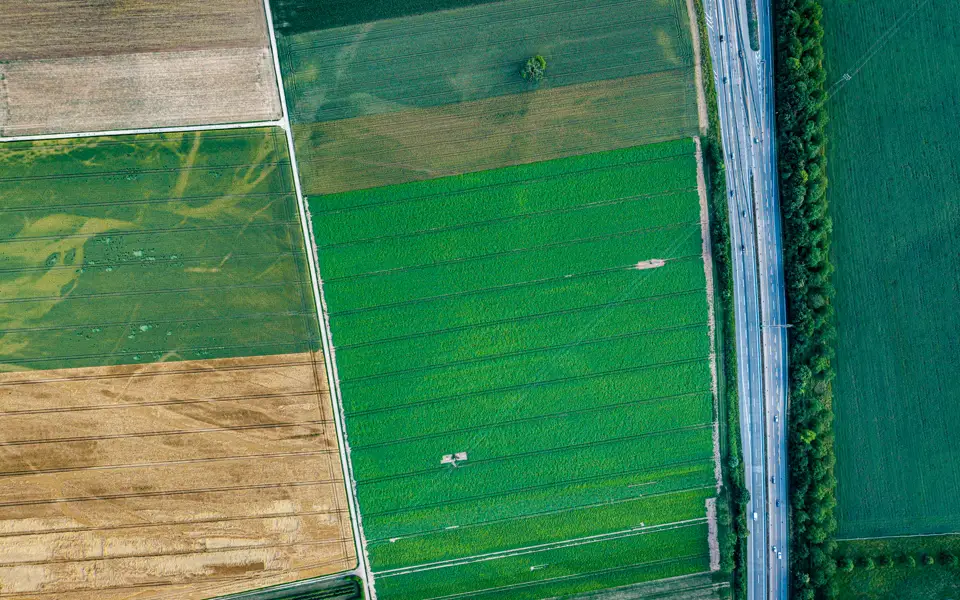
See stress forming in your fields while there’s still time to act on it: frost, heat, dry soil or rain at harvest.
The question it answers“Will any of my fields see frost in the next ten days?”
Open the Fields demo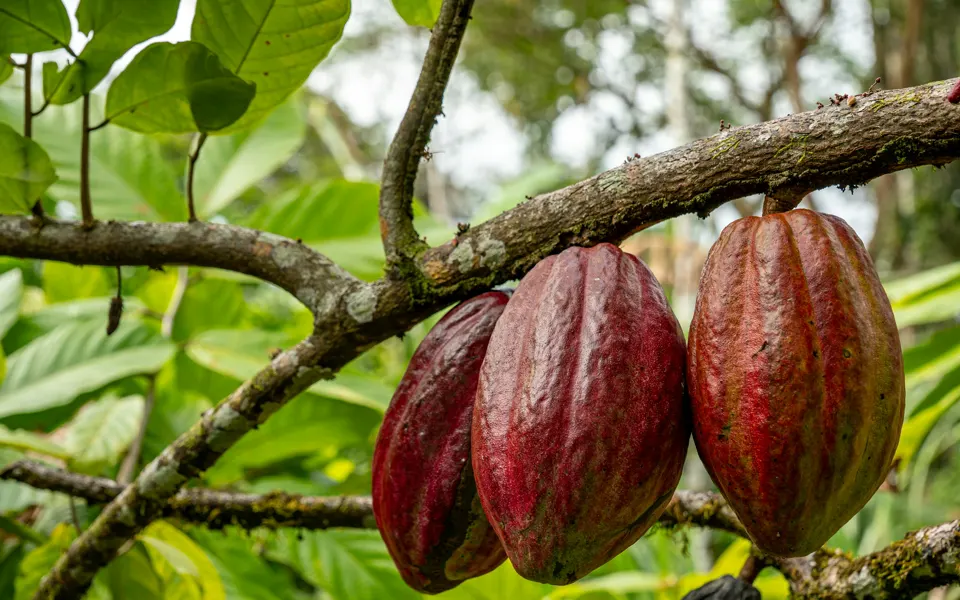
Watch the regions you buy from, and plan around a supply shock before it reaches your costs.
The question it answers“Is heat or dry soil building in the regions we source cocoa from?”
Open the Cocoa demo
Know which ports are about to be disrupted, days before the weather arrives.
The question it answers“Which of our ports will see winds above 14 m/s this week?”
Open the Ports demo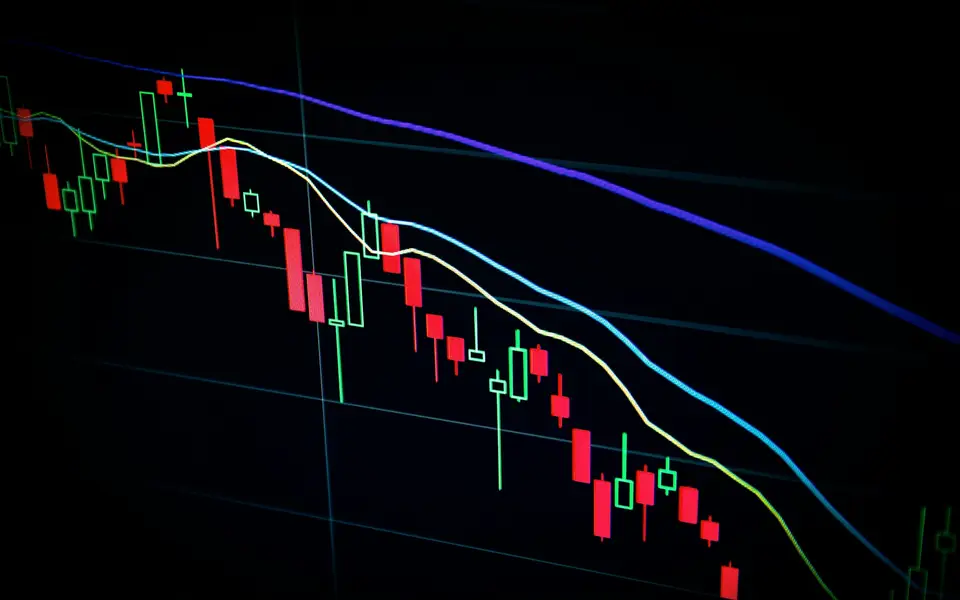
See weather risk forming in the regions behind your positions, and where the forecast models disagree.
The question it answers“Where do the models disagree on Brazil’s coffee regions over the next two weeks?”
Talk to the team
Track heating and cooling demand, wind and solar across the markets you operate in.
The question it answers“How do this winter’s heating degree days in the Northeast compare with recent winters?”
Open the Energy demoThe short answers. For anything else, ask the team.
Siren watches the forecast for the regions you grow in, buy from, ship through or trade. It tracks their history, their crop condition and every major forecast, and warns you when conditions are heading past the limits you set.
Heat, rain, frost, dry soil, crop health, humidity, soil moisture, wind and degree days, in your own units. You can combine conditions into one rule, and run each watch all year or only in the months that matter.
Each morning Siren checks the latest runs of five forecast models, including ECMWF's AIFS and NOAA's GFS and AIGFS. It grades each model against the weather that actually happened where you are and uses the one that has proved most accurate there.
Alerts say how bad and how soon. In the West Africa Cocoa demo, a heat-stress alert was first flagged 11 days ahead. When a risk drops out of the forecast, Siren closes the alert by itself.
It measures how much of the sunlight reaching a field its crop actually absorbs, from Sentinel-2 satellite images at 10 m through CYCLOPS, and draws this season over the three before it so you can see a field falling behind.
Yes. Siren has public demos, including West Africa Cocoa, Ports and Energy, that you can open with no sign-up.
Draw your first field or region, set one limit, and let the forecasts come to you.
We use cookies to provide you with the best possible experience. They also allow us to analyse how the site is used so we can keep improving it. See our Privacy Policy.